Fun Kids Room Wallpaper Ideas by Wallanza Wallpaper
Creating a child's room is one of the most rewarding home projects because the results show up in everyday moments—bedtime stories, pretend play, and quiet corners for learning. The best spaces feel joyful without becoming visually overwhelming, and they're built with materials that can handle real life. Choosing the right wallpaper is a practical way to shape the mood of the room, define zones, and create a feature wall that looks professionally styled. In this guide, you'll find smart ways to use fun children's wallpaper, themed favorites like pink Barbie wallpaper, gentle baby girl wallpaper, and statement options such as mural wallpaper and wildlife mural wallpaper—all while keeping the look balanced and long-lasting.
Start with a plan: mood, placement, and longevity.
Before picking a design, decide how the room should feel. Bedrooms usually need calm. Play zones can be brighter and more energetic. Study corners benefit from cleaner visuals. Wallpaper helps you set these "zones" without adding clutter. For most families, the easiest and most flexible choice is a single feature wall behind the bed or reading nook. This approach keeps the room visually calm while still giving you a strong personality.From an experience-based perspective, durability matters as much as design. Kids touch walls, move furniture, and leave fingerprints near switches. Prioritize wallpapers with wipeable finishes where possible. Even the best design won't feel "premium" if edges lift or seams bubble because the wall wasn't prepared properly. A smooth surface, clean walls, and correct priming make a noticeable difference.
Fun children's wallpaper that stays stylish
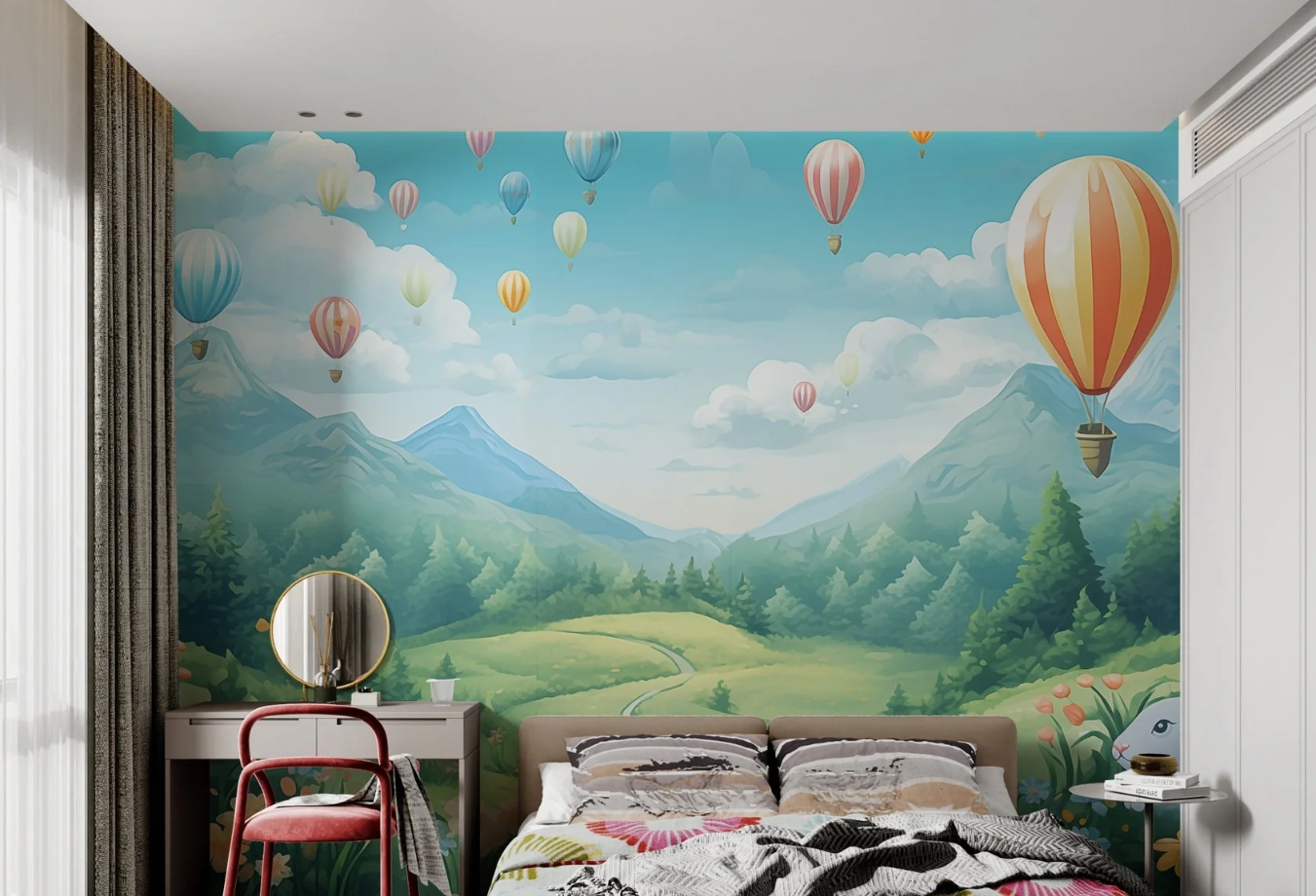
Fun children's wallpaper works best when it's playful but not chaotic. Look for prints that have a clear theme and a limited color palette—clouds, stars, soft rainbows, friendly animals, or simple geometric shapes. These patterns keep the room cheerful while still feeling balanced.A useful rule is to pick one "main" print, then let the rest of the room be supporting décor. If the wallpaper is busy, use plain bedding. If the wallpaper is soft, you can add patterned cushions or rugs. This keeps the space from feeling overstimulating, especially in smaller rooms.
Baby girl wallpaper for calm and comfort
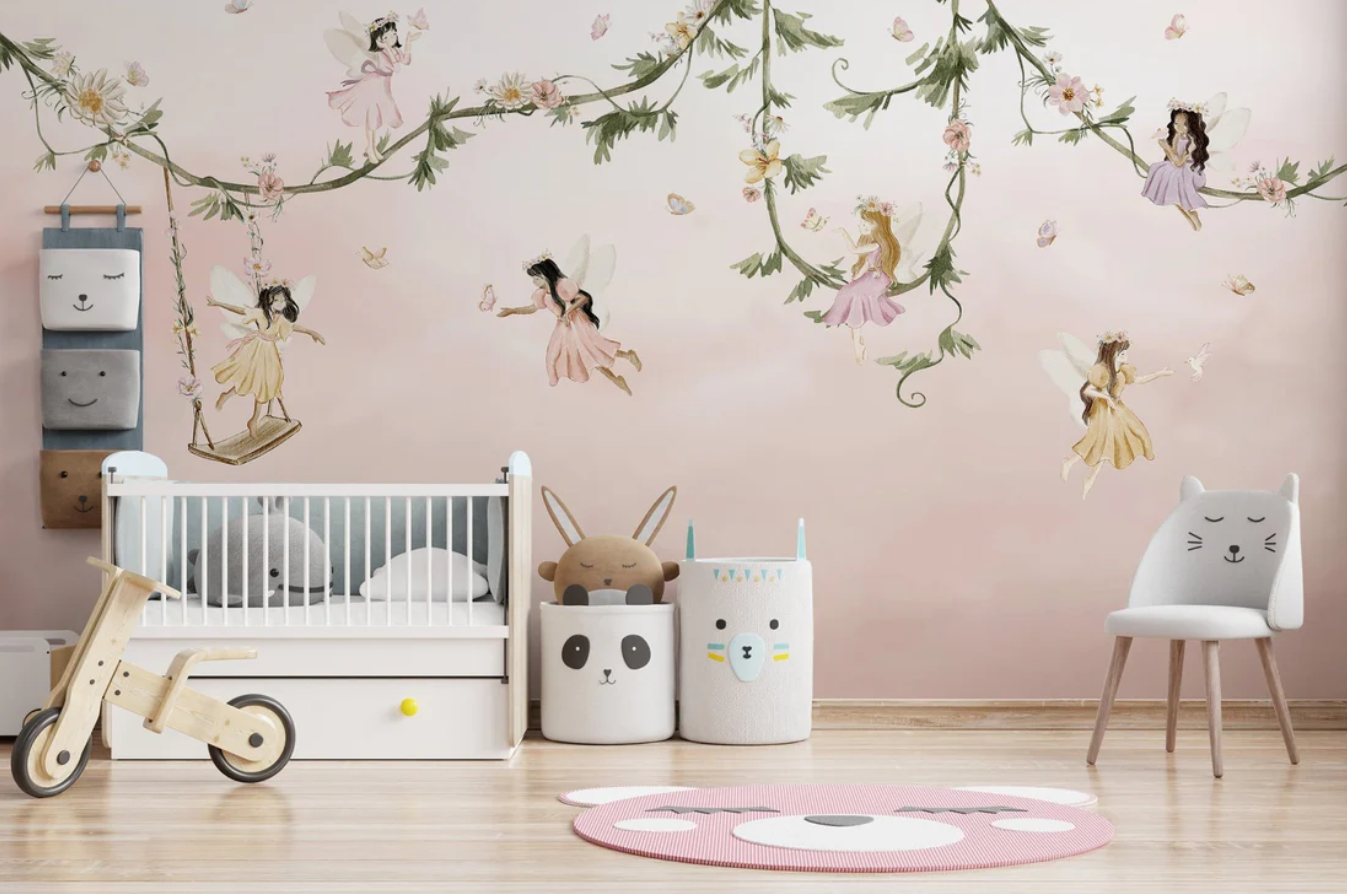
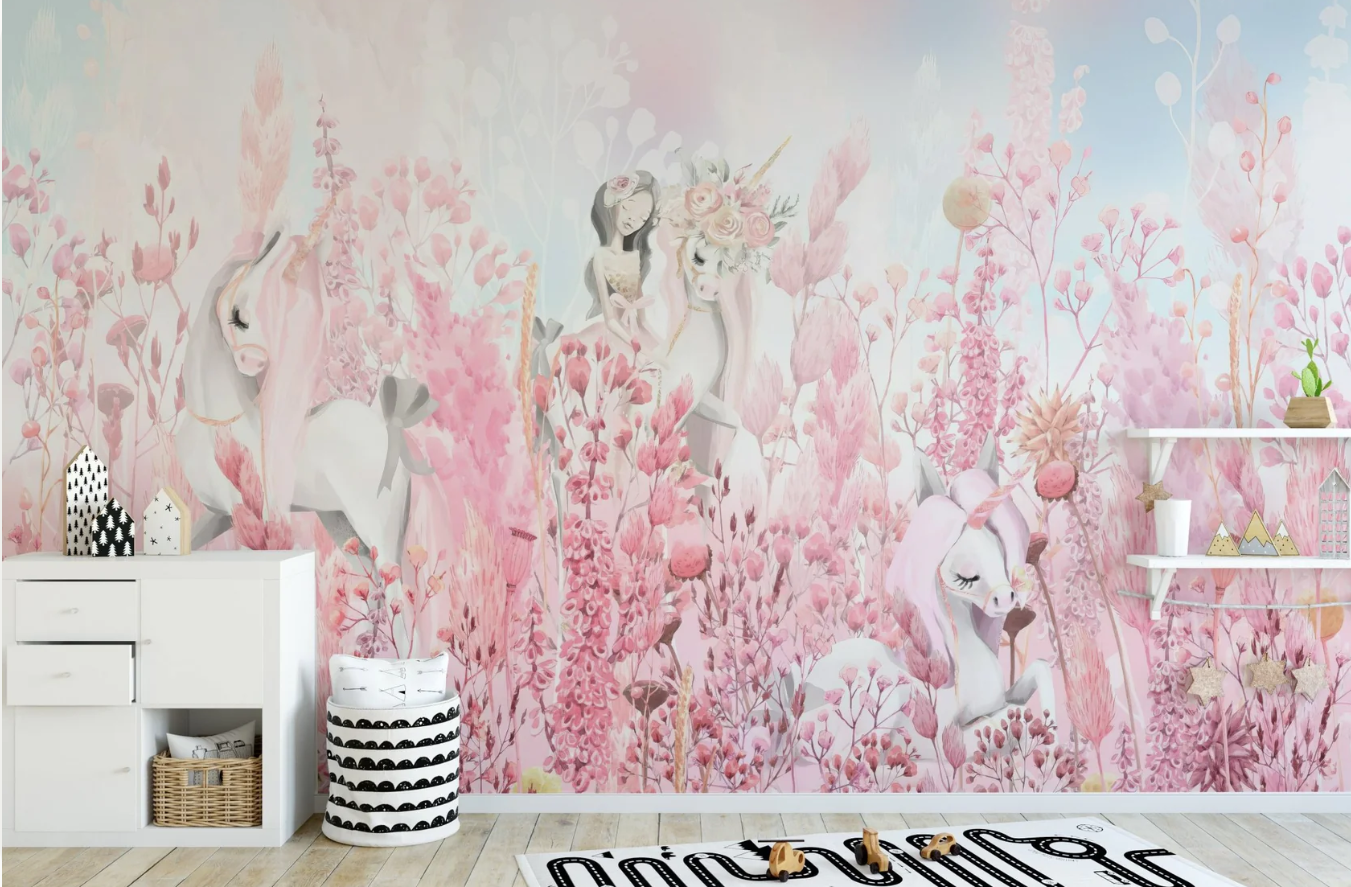
A nursery or toddler room should feel soothing and safe. Baby girl wallpaper often includes gentle florals, pastel shapes, tiny dots, butterflies, or storybook illustrations. The most timeless choices are soft tones like dusty rose, warm peach, cream, sage, and light lavender. These colors feel nurturing and adapt well as your child grows.For long-term flexibility, choose designs that aren't too age-specific. A subtle floral or soft pattern can transition from nursery to toddler room without needing a full redesign. Then, as your child's interests change, you can update the room with art prints, pillows, and toys rather than changing the walls again.
Pink Barbie wallpaper: make it bold, but keep it balanced
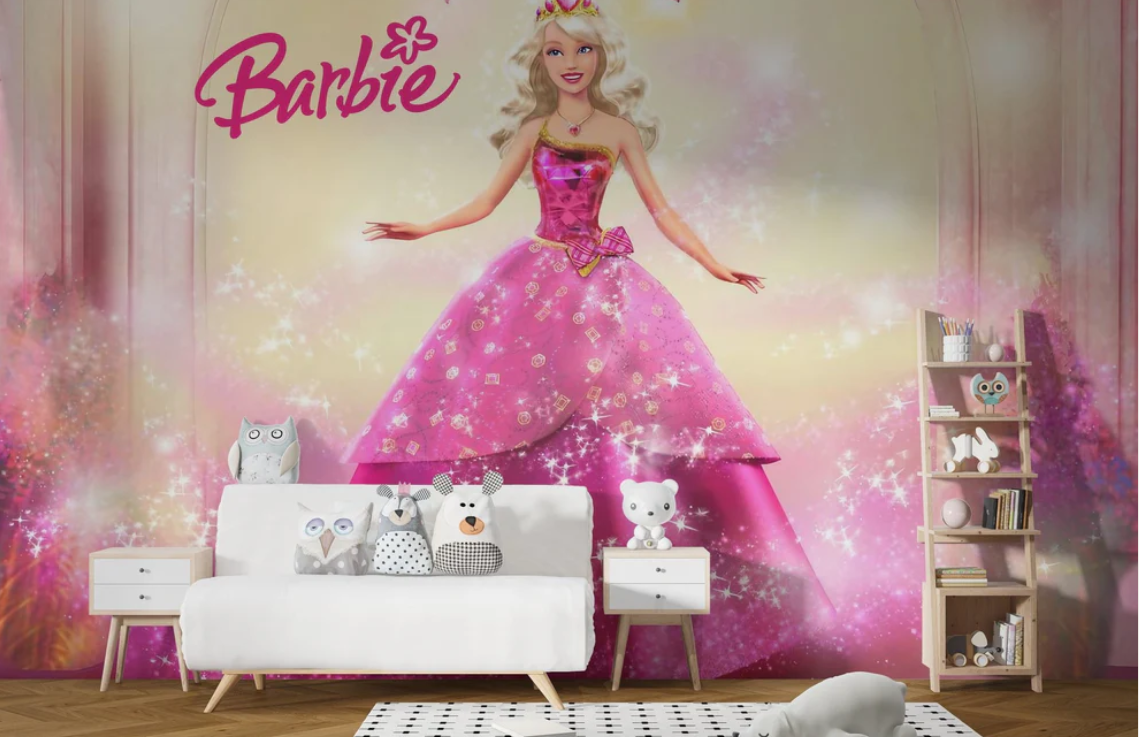
If your child loves iconic themes, pink Barbie wallpapercan be a fun and confidence-boosting choice. The key to making it feel stylish is restraint. Use Barbie-themed wallpaper on one feature wall, then keep furniture and accessories simpler—white, light wood, or soft neutral pieces work best. This prevents the room from becoming too visually busy.If you want the theme to last longer, pick Barbie designs that are more graphic and modern rather than overly saturated. You can also “soften” the look with warm lighting, neutral curtains, and textured rugs, so the wall feels like a curated centerpiece instead of a loud backdrop.
Wallpaper for kids' room that grows with them
When choosing wallpaper for a kids' room, think about how it will look two or three years from now. Kids grow quickly, and their tastes can change overnight. Patterns that grow well include soft animals, maps, nature themes, and clean geometric designs. These keep the room playful without locking you into one narrow theme.Another practical approach is to wallpaper only half the wall and add trim or paneling below. This protects high-touch zones and gives the room a more "designed" architectural look. It also makes future updates easier, since you're working with a smaller wallpaper area.
Mural wallpaper for storytelling and impact
If you want a room that feels immersive, mural wallpaper creates a strong focal point with minimal effort. Murals can depict dreamy skies, enchanted forests, city scenes, underwater adventures, or gentle landscapes. They work especially well in reading corners and play areas because they encourage imagination and storytelling.To get the best result, choose a wall that stays visible and uncluttered. Murals lose their impact when tall wardrobes or busy shelves block them. Measure carefully and plan the mural placement around furniture so the main scene elements remain visible.
Wildlife mural wallpaper for a natural, educational theme
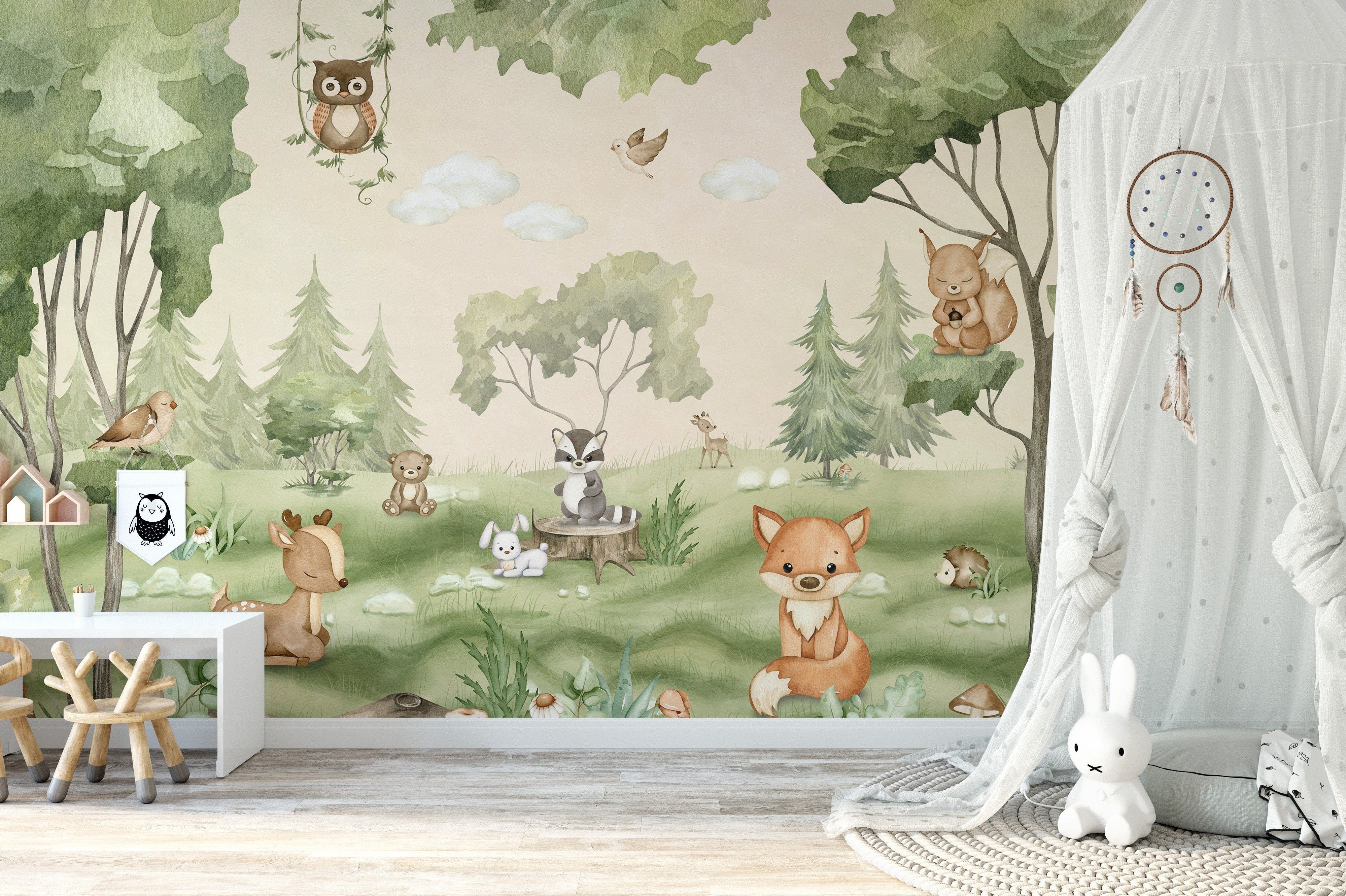
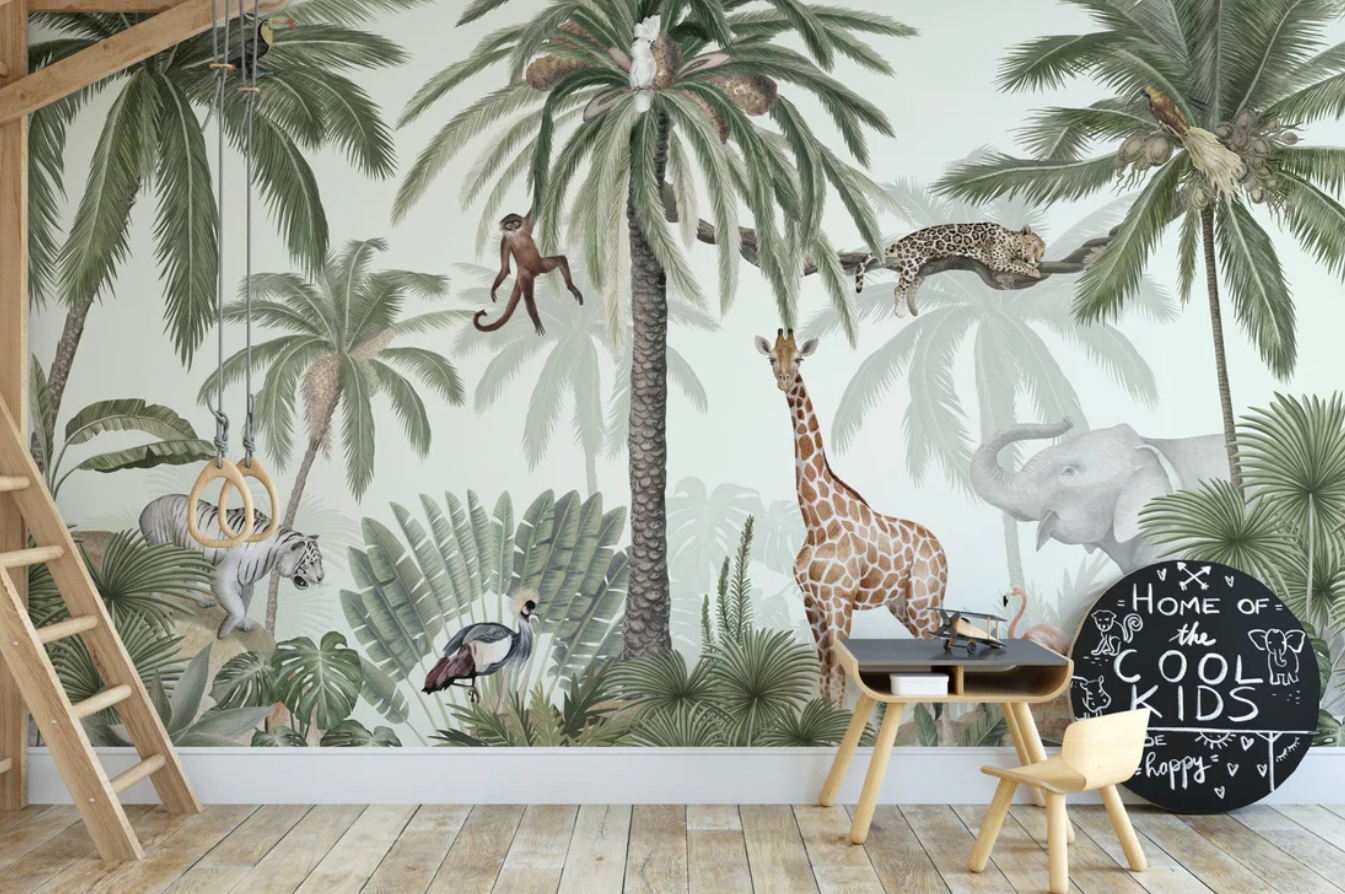
Nature-based designs are popular because they're playful and calming at the same time. Wildlife mural wallpaper can feature safari animals, woodland creatures, birds, or jungle scenes. It adds personality while also introducing learning and storytelling. Wildlife murals often use earthy tones, which makes them easy to match with natural wood furniture, woven baskets, and neutral bedding.Wildlife is also a theme that ages well. A soft safari mural can work in a nursery and still feel appropriate in early school years. That makes it a smart choice for families who prefer fewer redesigns over time.
Practical tips for a clean, long-lasting finish
- Clean and smooth the wall before installation
- Use a primer that supports wallpaper adhesion
- Start with a level line so patterns don't drift
- Choose wipeable finishes near high-touch zones
- Keep décor minimal if the wallpaper is bold
To keep wallpaper looking fresh in kids' spaces:
Final thoughts
A well-designed child's room should feel joyful, safe, and easy to maintain. With thoughtful placement and quality materials, you can use fun children's wallpaper, gentle baby girl wallpaper, or themed pink Barbie wallpaper to create a space your child loves now, while keeping flexibility for later. Whether you choose a story-driven mural wallpaper or a nature-inspired wildlife mural wallpaper, a single feature wall can transform the room in a way that feels personal and polished.
