How Art-Inspired Wallpaper Shapes Modern American Interiors
Art as an Interior Design Foundation
American homeowners increasingly use walls as active parts of their interior design rather than treating them as simple backgrounds. Wallpaper can introduce color, movement, texture, and visual character without requiring major structural changes. Art-inspired designs work particularly well when a room needs a defined focal point. The right pattern can support existing furniture, complement architectural details, and establish a consistent visual direction. For homeowners planning a renovation or refresh, selecting a wall covering should begin with the room’s function, natural light, wall dimensions, and existing materials.
Creating a Strong Focal Point
A feature wall can give a room an immediate sense of identity. Art feature wall wallpaper can work particularly well behind a sofa, dining table, bed, console, or entryway arrangement where the wall naturally attracts attention. Designers typically recommend choosing one dominant visual element rather than competing patterns throughout the room. Scale also matters: oversized artwork-inspired motifs can suit large walls, while smaller compositions may feel more balanced in compact spaces. Before installation, homeowners should measure the wall carefully and consider doors, windows, outlets, and built-in furniture.
Balancing Creativity With Simplicity
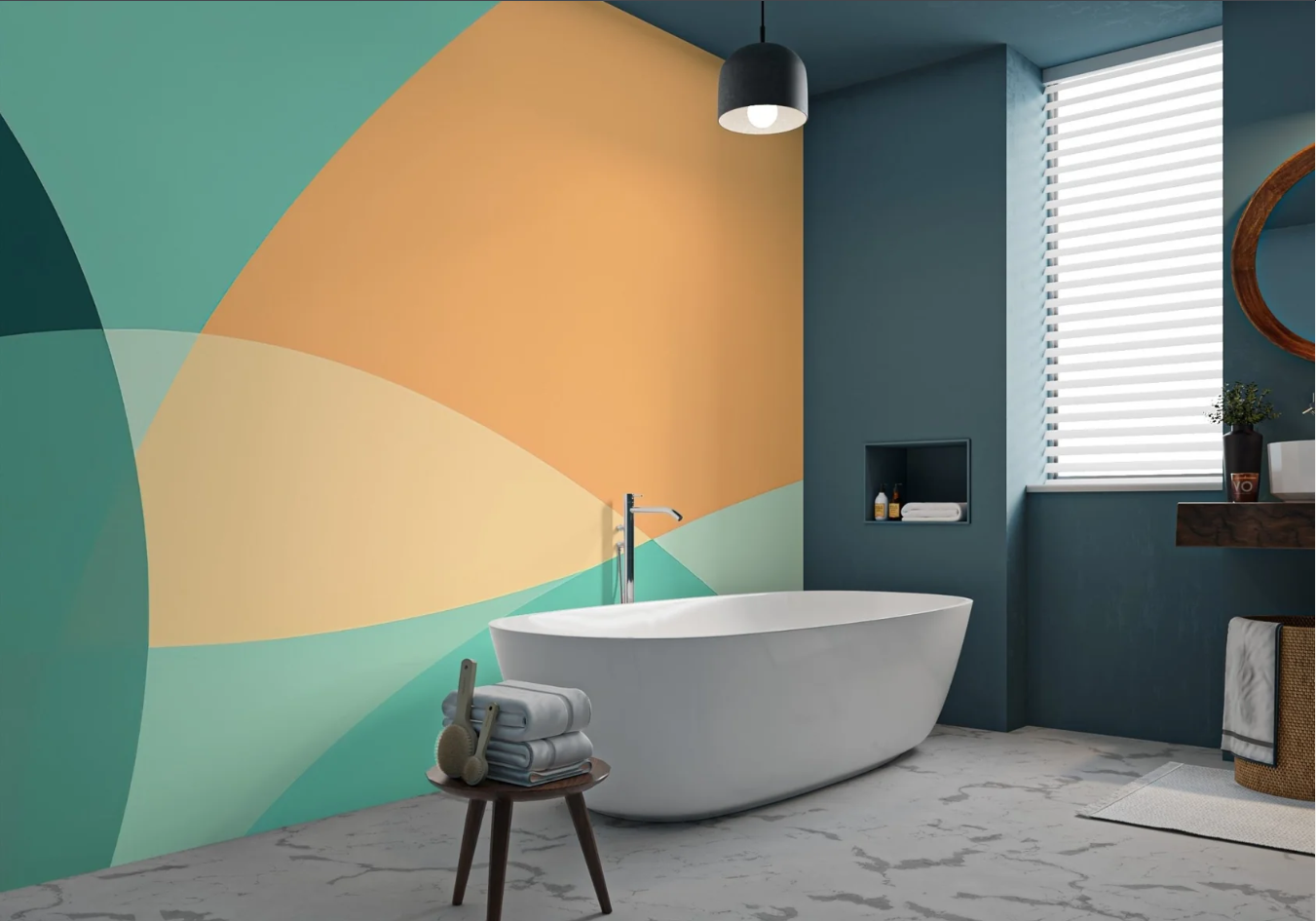
Abstract designs allow homeowners to introduce artistic expression without committing to a literal scene or recognizable image. Abstract art wallpaper can combine organic shapes, expressive lines, layered colors, or painterly forms to create depth. These designs can complement contemporary furniture, mid-century pieces, minimalist rooms, and eclectic interiors. When selecting an abstract pattern, identify two or three colors already present in the room and look for a design that connects those tones. This approach creates visual continuity and reduces the risk of making the wall feel disconnected from the rest of the space.
Choosing Wallpaper for Different Rooms
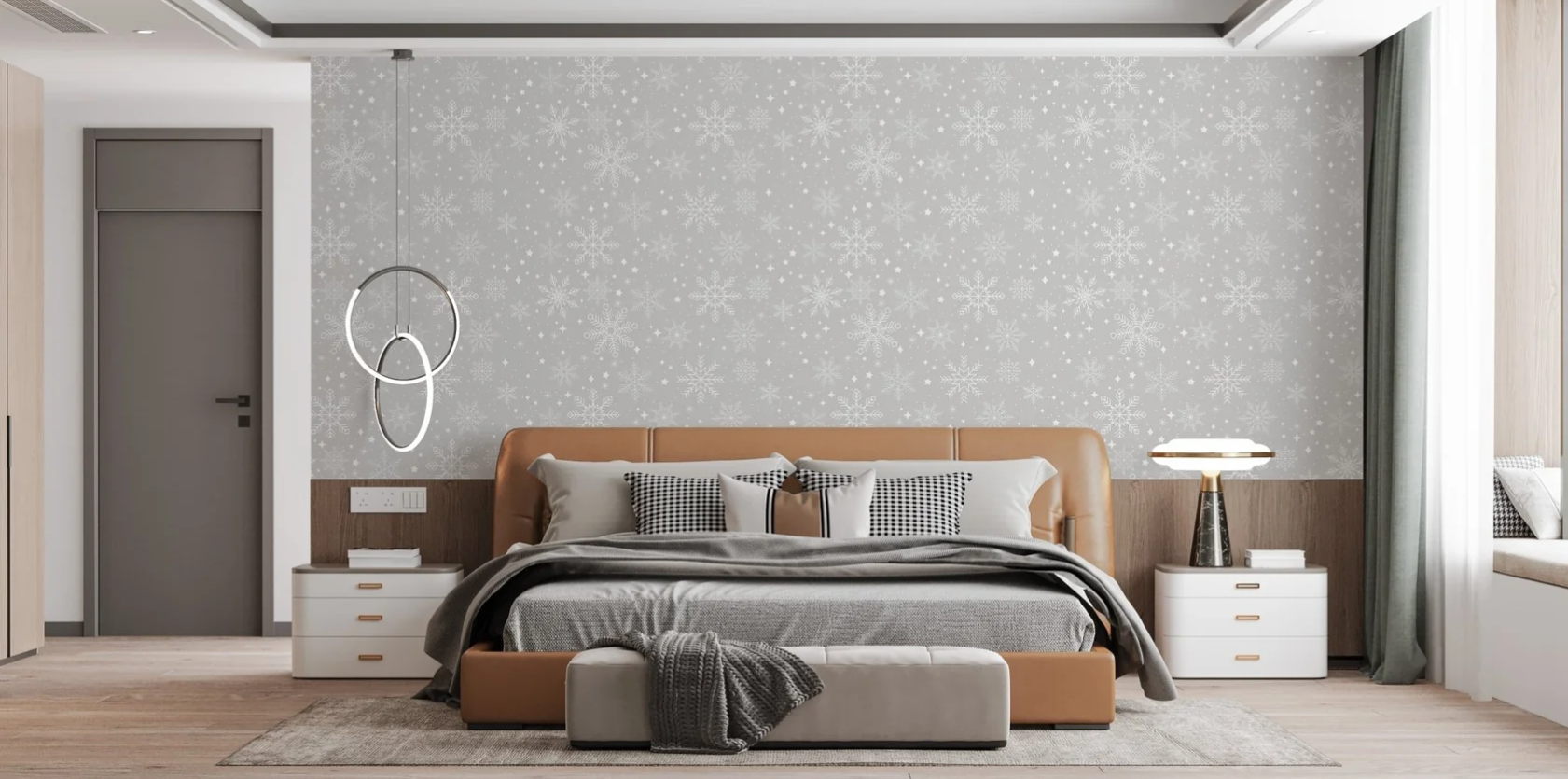
Every room has different practical and aesthetic requirements. Bedrooms often benefit from softer compositions, while dining rooms can accommodate stronger visual statements. Hallways may use wallpaper to turn an overlooked transition area into a memorable design feature. Bathrooms require additional attention to moisture, ventilation, and manufacturer recommendations. Artistic wallpaper for walls can be considered for many of these applications when its colors and scale suit the room. Homeowners should always review the product specifications and installation requirements before purchasing, particularly when the wall is exposed to humidity or frequent cleaning.
Building a Relaxed Bohemian Interior
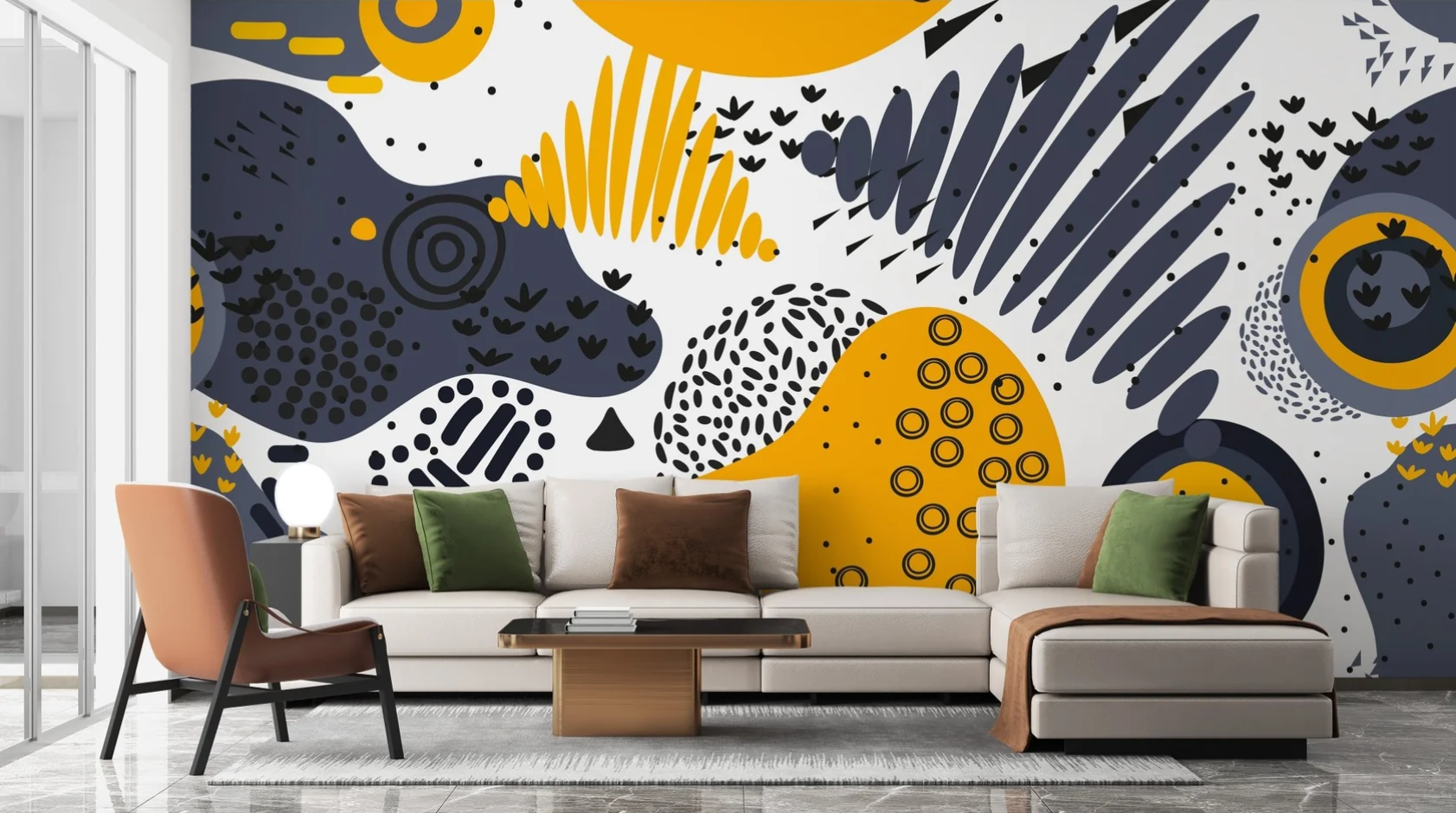
Bohemian interiors typically combine natural materials, expressive patterns, vintage-inspired accents, and layers of texture. A wall mural can become the visual anchor while woven textiles, wood furniture, plants, ceramics, and handcrafted accessories provide supporting details. Bohemian wall mural can help establish this relaxed atmosphere when the pattern works with the room's existing palette. The goal is not to fill every surface with decoration. Instead, homeowners can allow one expressive wall to lead the design while keeping furniture and accessories coordinated.
Using Brushwork to Add Movement
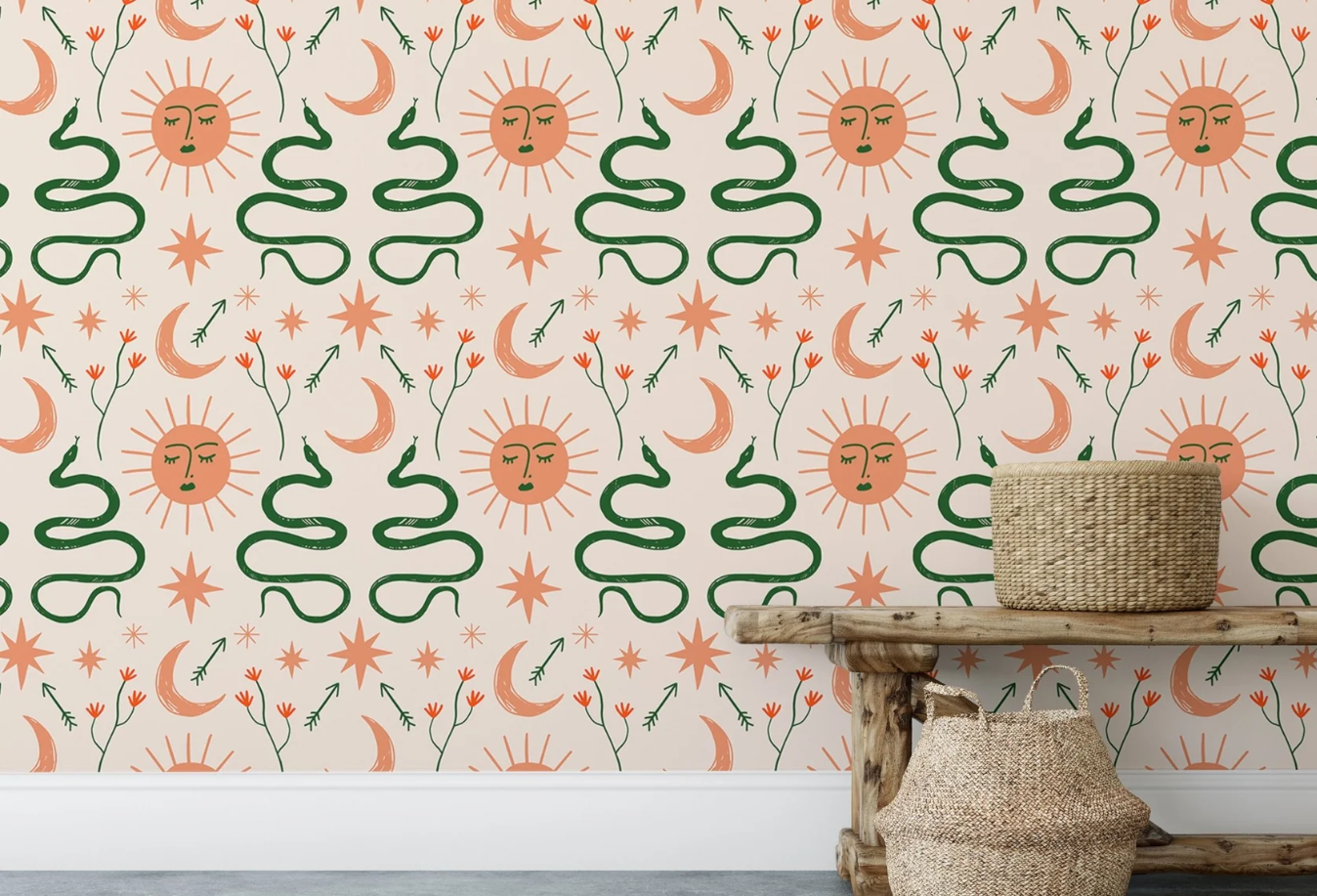
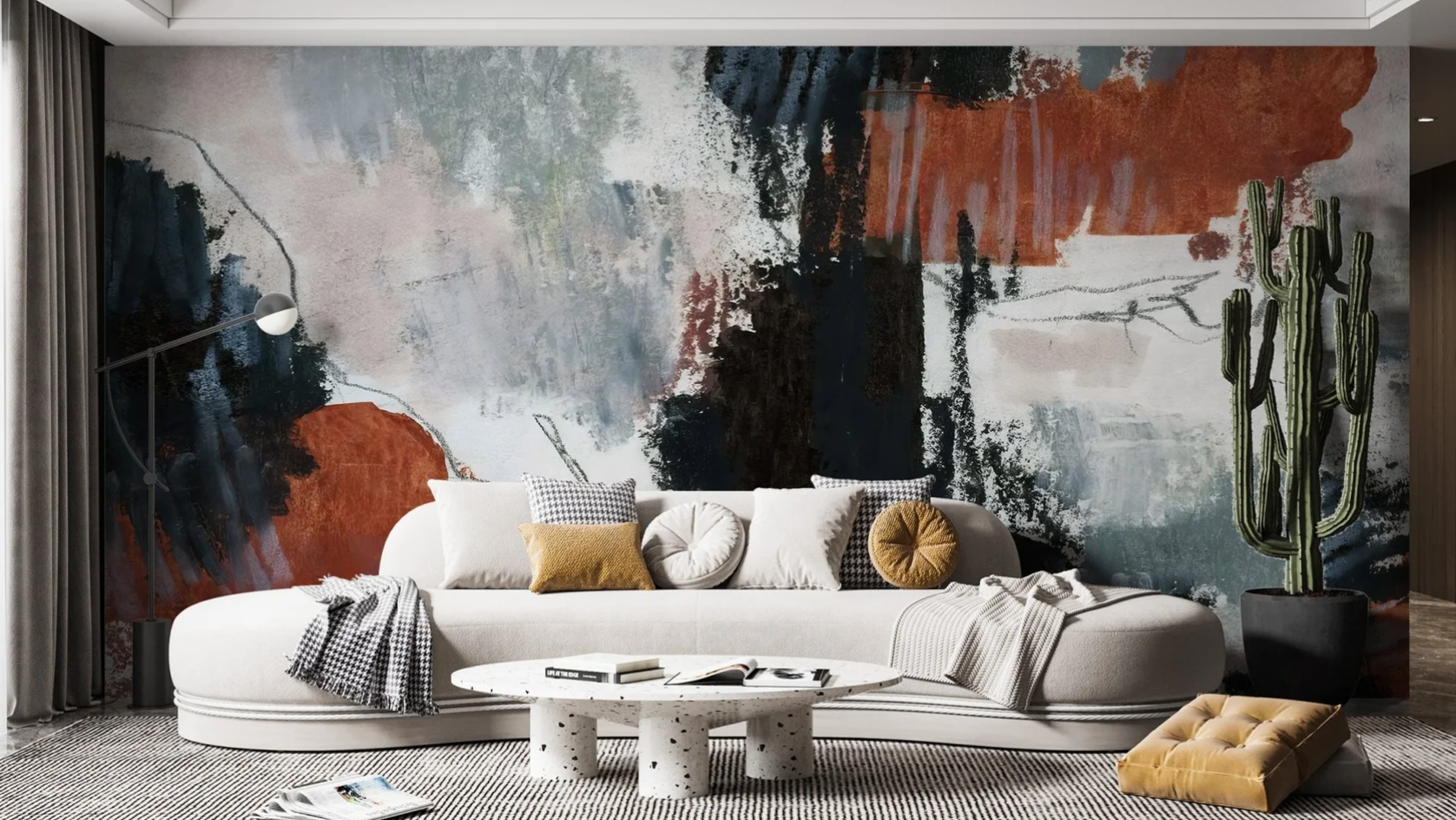
Painterly marks can make a wall feel more dynamic without relying on highly detailed imagery. Brushstroke wallpaper mural can introduce directional movement through broad strokes, layered marks, and varying visual density. This approach can be effective in contemporary dining rooms, creative workspaces, bedrooms, and living areas. To maintain balance, pair expressive walls with relatively simple furnishings. Solid upholstery, natural wood, understated lighting, and restrained accessories can give the wall enough visual space to remain the room’s main attraction.
Making Smart Choices in Smaller Bathrooms
Powder rooms provide an opportunity to experiment because they are typically smaller than primary living spaces. Powder room wallpaper ideas can help homeowners evaluate whether a pattern should cover all walls or remain limited to one accent surface. A smaller room can sometimes support a bolder design because the visual story is contained within a defined area. However, lighting, ventilation, wall condition, and moisture exposure should still be evaluated before installation. Sample testing can also help reveal how colors appear under the room’s actual lighting.
Understanding the Practical Side of Wallpaper
Aesthetic appeal should be considered alongside maintenance and installation requirements. Wallpaper pros and cons can vary depending on the material, adhesive system, wall condition, installation method, and room environment. Wallpaper can provide long-lasting visual impact, but preparation remains important. Walls should generally be clean, smooth, dry, and appropriately prepared according to the manufacturer’s instructions. Homeowners should also understand removal requirements and confirm whether the selected product is appropriate for their particular surface. Taking these practical factors into account can make the decorating process more predictable.
Embracing Imperfection in Design
Modern interiors do not always need perfectly symmetrical patterns or flawless-looking surfaces. Wabi-sabi design emphasizes simplicity, natural character, age, imperfection, and appreciation for materials as they are. Homeowners wondering what is wabi-sabi wallpaper? can think of it as an approach that often draws from organic textures, muted palettes, weathered appearances, and understated compositions. Rather than creating a polished showroom effect, this aesthetic can make a space feel calmer and more connected to natural materials. Wood, linen, stone, handmade ceramics, and softly textured furnishings can reinforce the same design philosophy.
Matching Wallpaper With American Home Styles
The flexibility of art-led wallpaper allows it to work across many US interior styles. A modern condo may benefit from a restrained abstract composition, while a suburban family home could use a botanical or painterly mural in a dining area. In an older property, wallpaper can help connect traditional architectural details with contemporary furnishings. Scale should always be considered alongside ceiling height and room dimensions. Large patterns can create drama in spacious rooms, while carefully selected smaller designs may provide more proportionate visual interest in compact areas.
Planning Before Installation
Good preparation often determines whether a wallpaper project looks polished after installation. Measure each wall independently because rooms are rarely perfectly square. Check the surface for cracks, uneven areas, moisture problems, or old adhesive residue. Review pattern-repeat information so enough material is ordered for proper alignment. It is also useful to request samples when available because colors can appear different under daylight, warm bulbs, and cool artificial lighting. Professional installation can be worthwhile for complex patterns, large murals, difficult surfaces, or projects where precise alignment is especially important.
Designing a Wall That Feels Intentional
The strongest wallpaper installations usually feel connected to the entire room rather than appearing as an isolated decoration. Consider the relationship between the wall, flooring, furniture, window treatments, lighting, and accessories before selecting a pattern. Art-inspired wallpaper can provide the visual foundation, while quieter furnishings allow the composition to remain prominent. When color, scale, material, and placement are considered together, a wallpapered wall can become a durable part of the interior rather than a temporary decorating decision.
Final Thoughts
Art-led wall coverings give American homeowners a practical way to introduce personality and visual structure into their spaces. From expressive murals to understated compositions, the most successful choice depends on the room, the wall surface, available light, and the homeowner’s preferred atmosphere. Careful measurement, appropriate surface preparation, thoughtful color coordination, and attention to product specifications can support a better result. With those fundamentals in place, wallpaper can transform an ordinary wall into a purposeful design element while still allowing the rest of the room to feel balanced and livable.
