Transform Your Home With Creative Wallpaper: Floral, Botanical & Luxury Ideas
Create a Strong First Impression
A well-designed wall can completely change the character of a room without requiring a major renovation. In American homes, wallpaper has become a practical option for homeowners who want to introduce personality, texture, and visual depth. From bedrooms and dining rooms to entryways and home offices, the right pattern can establish a focal point while complementing furniture and architectural details. Choosing a design that suits the room's proportions, natural lighting, and existing color palette can create a polished result that feels intentional rather than overwhelming.
Bring Nature Into Everyday Spaces
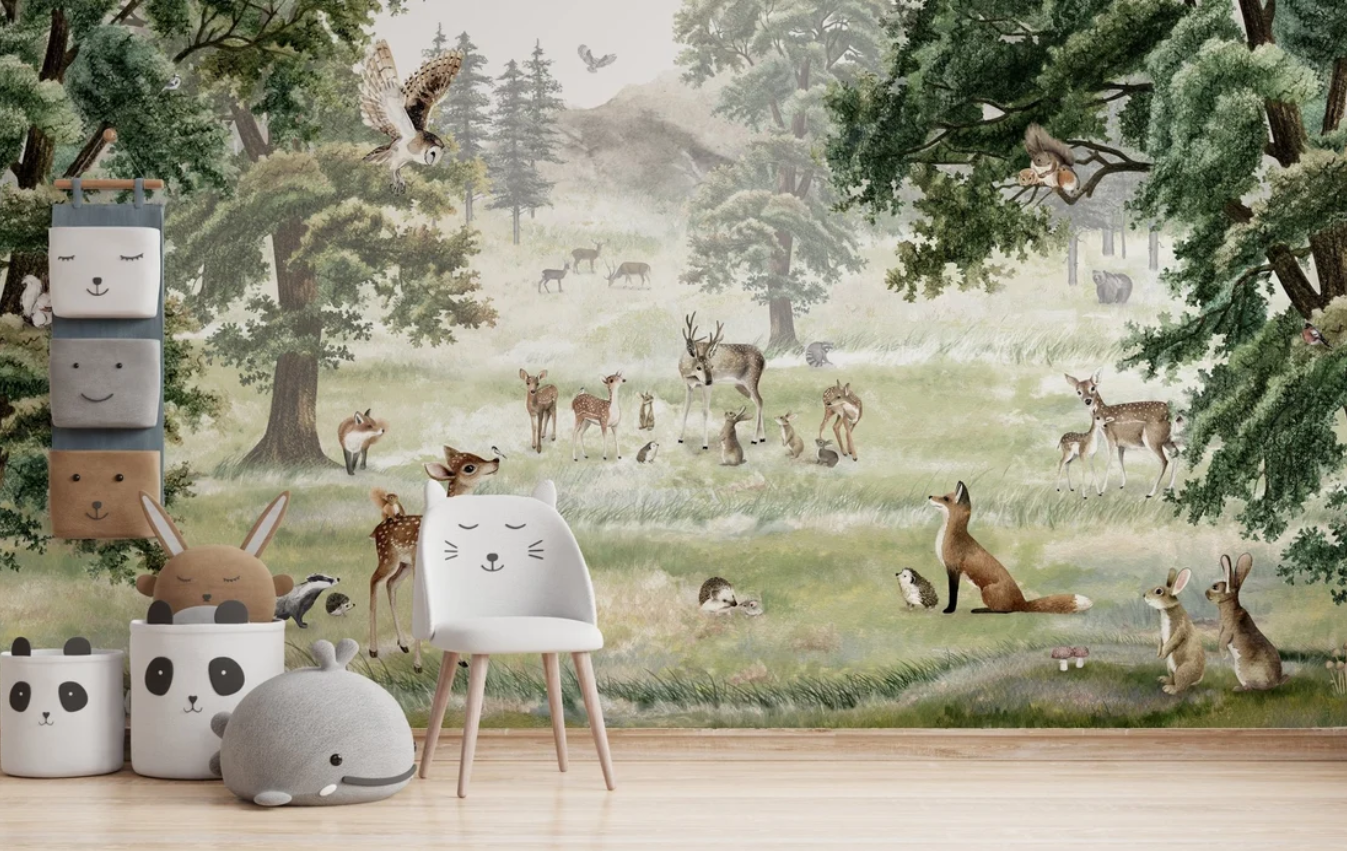
Nature-inspired interiors continue to appeal to homeowners because they create a calm connection with the outdoors. An animal accent wall wallpaper can work especially well in children's rooms, reading corners, guest bedrooms, or creative spaces. Depending on the illustration style, animal motifs can feel sophisticated, playful, rustic, or contemporary. For a balanced American interior, pair detailed imagery with simple furniture and understated accessories so the wall remains the visual centerpiece without competing with the rest of the room.
Keep Bird Motifs Refined
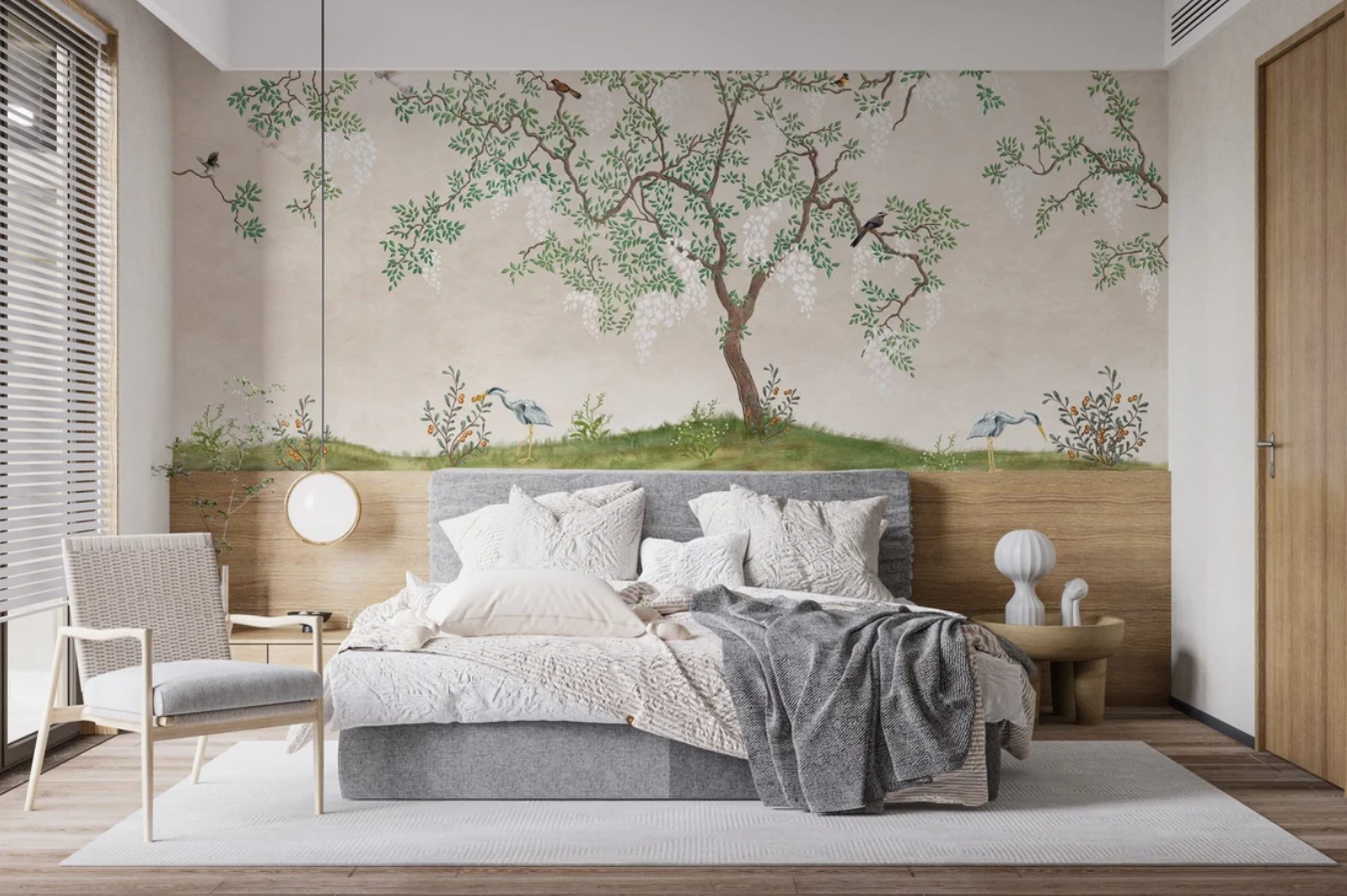
Bird illustrations can provide a softer alternative to larger wildlife patterns. Neutral birds wallpaper works particularly well in bedrooms, nurseries, powder rooms, and transitional living spaces where homeowners want decorative interest without strong colors. Soft beige, cream, taupe, gray, and muted green tones can coordinate easily with natural wood, linen upholstery, white cabinetry, and warm metal accents. When selecting a bird pattern, consider the scale carefully; smaller illustrations can make a compact room feel detailed, while larger artwork can create a dramatic statement on a spacious wall.
Add Botanical Character
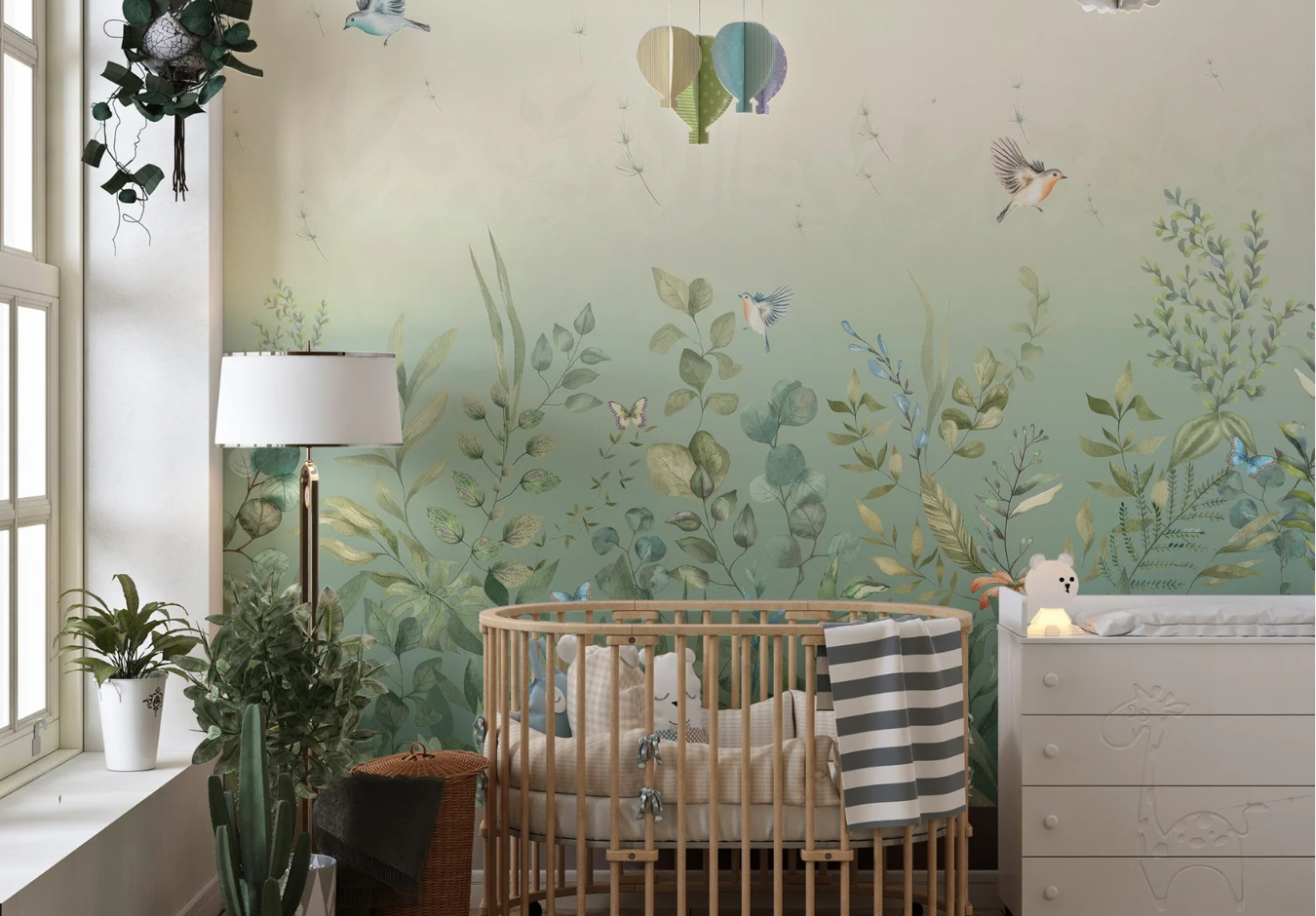
Greenery-inspired patterns can introduce movement and organic texture to an interior while maintaining a sophisticated appearance. A botanical wall mural can transform a blank feature wall into a scenic focal point, particularly in dining areas, home offices, bedrooms, and sunrooms. Large leaves, branches, vines, and botanical illustrations can visually connect indoor spaces with gardens and landscapes. For a cohesive design, repeat one or two colors from the mural in cushions, rugs, artwork, or decorative accessories rather than matching every element exactly.
Introduce Delicate Details
Butterflies can give an interior an elegant decorative quality when used thoughtfully. A butterfly feature wall wallpaper can be suitable for bedrooms, dressing areas, nurseries, or creative spaces, depending on the artwork and color palette. Detailed butterfly illustrations can produce a traditional appearance, while simplified or oversized designs can feel contemporary. In American homes with open-plan layouts, placing a decorative pattern on one clearly defined wall can help establish a visual zone without creating a physical barrier between connected areas.
Choose Floral Patterns With Purpose
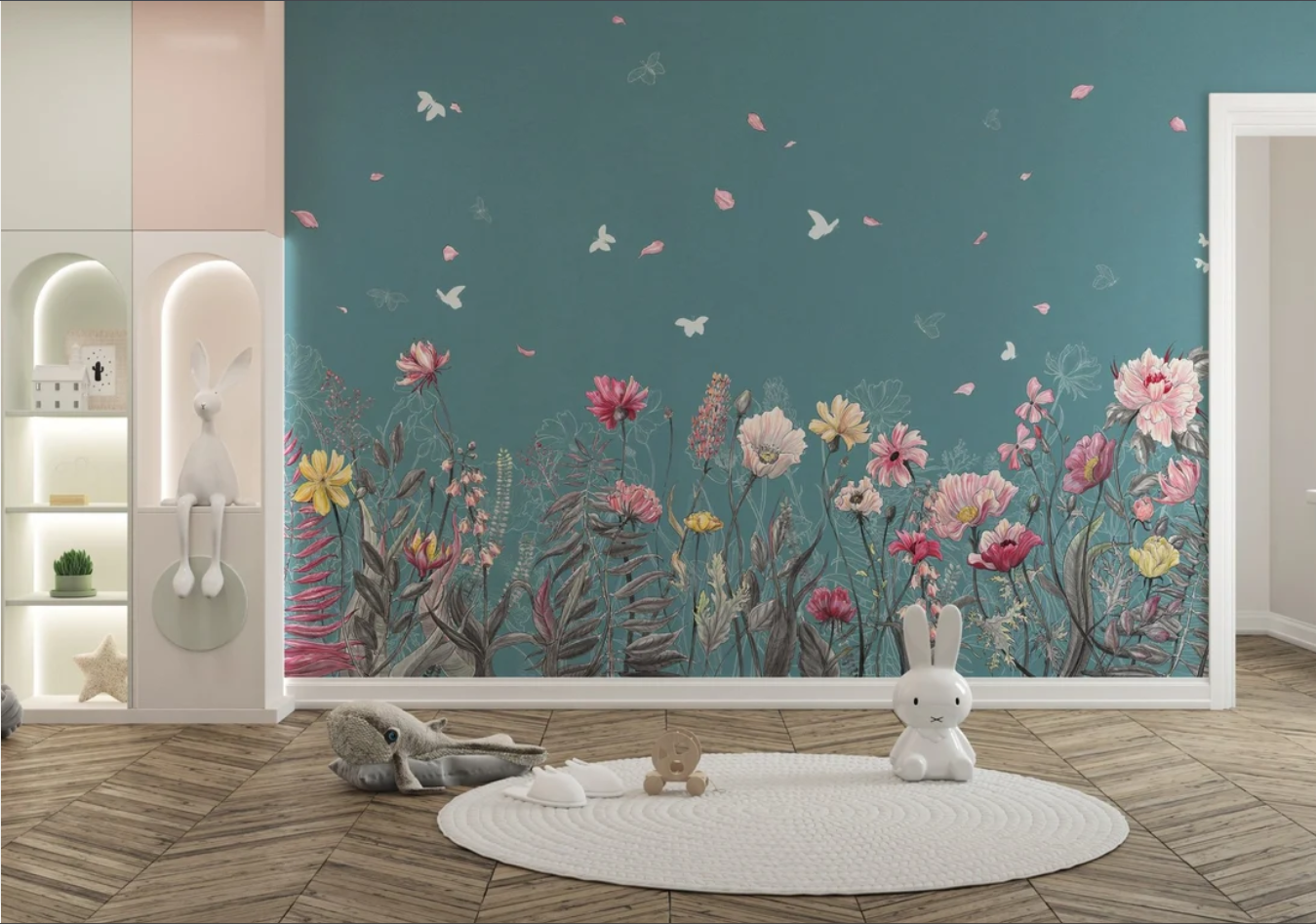
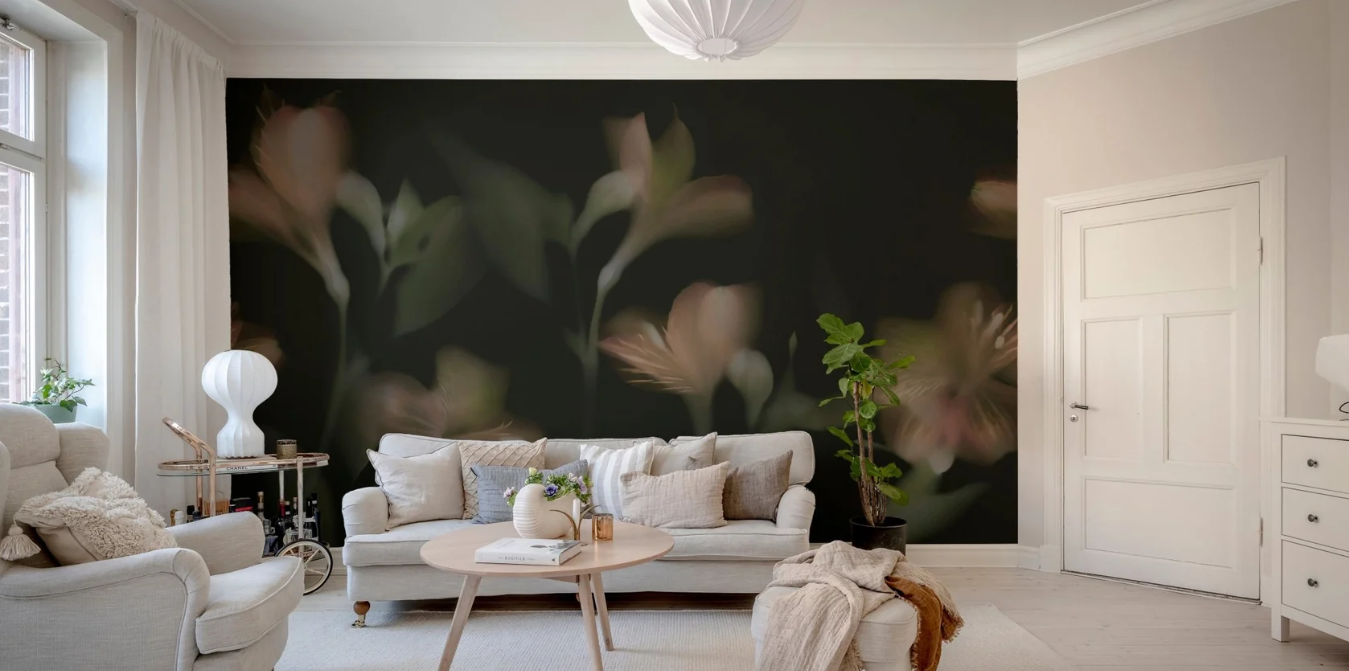
Flowers remain one of the most versatile themes for residential interiors because they can range from traditional to highly contemporary. A floral wallpaper design can provide color, rhythm, and personality while working with a wide variety of decorating styles. Before installation, homeowners should examine how the pattern interacts with windows, doors, shelving, and lighting fixtures. A large-scale floral print may work beautifully behind a bed or sofa, whereas a smaller repeat can be easier to incorporate into compact spaces such as bathrooms or hallways.
Understand the Construction
Performance depends heavily on construction, installation requirements, and the condition of the wall beneath the covering. Understanding the types of materials available helps homeowners make a more informed decision. Traditional paper, vinyl-coated options, nonwoven products, and other specialty constructions can differ in durability, cleanability, texture, installation method, and removal process. High-traffic areas may benefit from a more durable surface, while bedrooms and low-use decorative spaces may allow greater flexibility. Always review the manufacturer's installation and maintenance instructions before purchasing.
Create a More Elevated Interior
Luxury does not necessarily require an expensive renovation. Thoughtful pattern selection, high-quality materials, professional installation, and carefully coordinated furnishings can make a room feel considerably more refined. Luxurious wallpaper ideas often include sophisticated botanical artwork, subtle metallic details, dramatic scenic imagery, textured surfaces, and classic repeating patterns. In a formal dining room or primary bedroom, a carefully selected premium design can serve as architectural decoration, especially when paired with quality lighting, natural materials, and restrained accessories.
Consider Flexible Installation
Homeowners who enjoy changing their interiors may prefer products that are easier to install and remove than conventional wall coverings. Peel and stick wallpaper reusable options can provide flexibility for renters, temporary decorating projects, children's bedrooms, apartments, and seasonal updates. However, the term reusable should not be assumed to mean that every product can be installed repeatedly without performance changes. Surface preparation, storage conditions, adhesive quality, and the manufacturer's instructions all influence whether a product can be successfully repositioned or reused.
Make Seasonal Decorating More Creative
Halloween decorating does not have to rely entirely on temporary signs, accessories, or tabletop decorations. A carefully selected cute or scary halloween wallpaper can create a distinctive seasonal atmosphere in a playroom, entertainment space, party area, or themed room. Cute illustrations may suit families with young children, while darker designs can appeal to adults who enjoy a more dramatic aesthetic. Because seasonal themes can become visually dominant, consider limiting them to one feature wall and balancing the remaining surfaces with neutral colors and simple furnishings.
Match the Design to the Room
The most successful wallpaper projects begin with the room rather than the pattern. Measure the wall carefully, note the position of windows and doors, and observe how sunlight changes throughout the day. A design that looks subtle in a showroom can appear significantly stronger across an entire wall. Sample pieces are especially valuable because they allow homeowners to evaluate color, scale, texture, and contrast under real lighting conditions. For complex murals, professional measurement can also reduce installation problems and material waste.
Think About Long-Term Appeal
Wallpaper should support the way a room will actually be used. In a busy family home, durability and cleanability may be more important than delicate detailing. In a formal space, visual sophistication may take priority. Homeowners should also consider whether furniture or built-in features may change in the future. A versatile pattern can remain useful through several decorating updates, while an extremely specific design may eventually require replacement. Choosing thoughtfully at the beginning can reduce unnecessary renovation costs and keep the room visually relevant for longer.
Build a Balanced Interior
A statement wall works best when the surrounding elements support rather than compete with it. If the wallpaper contains several colors, select a restrained palette for furniture and accessories. If the design is monochromatic, introduce contrast through lighting, wood finishes, textiles, or artwork. Scale matters as well: detailed patterns can become visually busy when paired with numerous small decorative objects. Leaving some areas relatively quiet allows the wallpaper to remain the focal point and gives the overall room a more professionally designed appearance.
Make the Final Selection Carefully
Wallpaper can be one of the most effective ways to personalize an American home while improving the visual character of an otherwise ordinary room. The best choice depends on the home's decorating style, wall condition, room function, lighting, maintenance requirements, and expected longevity. By comparing samples, checking installation specifications, and considering the complete interior rather than a single pattern, homeowners can create walls that feel distinctive without sacrificing practicality. A thoughtful design can ultimately become more than decoration—it can define the atmosphere and identity of an entire space.
